
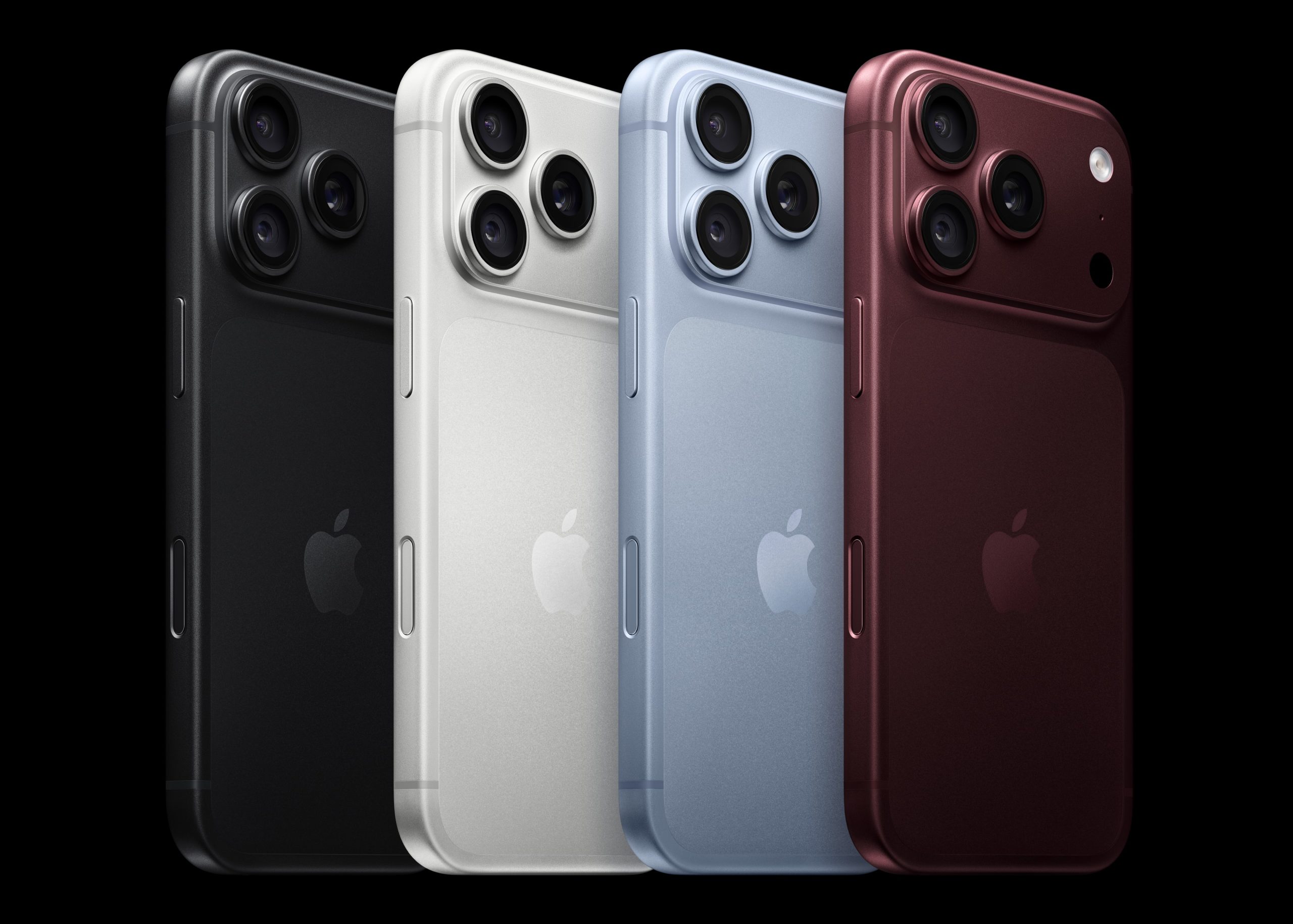
Apple has unveiled its latest generation of consumer devices, with its September hardware launch introducing a foldable iPhone for the first time alongside new iPhone Pro models, Apple Watches and AirPods.
The headline product is the iPhone Duo, Apple’s long awaited entry into the foldable smartphone market, but the company also introduced the iPhone 18 Pro and Pro Max, Apple Watch Series 12, Apple Watch Ultra 4 and AirPods 5.
iPhone Duo
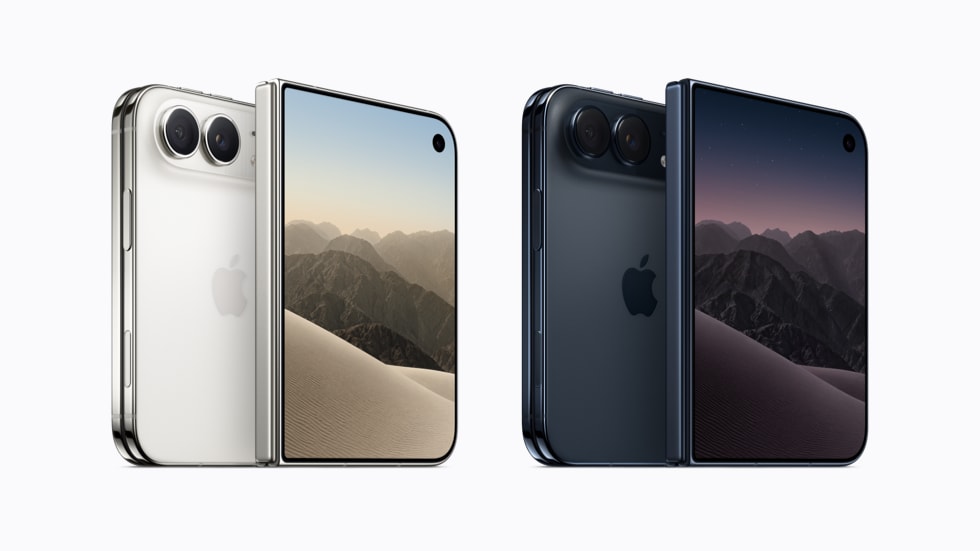
Apple’s first foldable phone combines a 5.4 inch outer display with a 7.6 inch inner display, making the latter the largest screen Apple has put on an iPhone.
The Duo uses a grade 5 titanium chassis and a precision hinge containing more than 100 components. Both displays support ProMotion and Always On functionality, while the folding display receives a nano texture treatment designed to minimise reflections and make the crease less noticeable.
Inside is Apple’s new 2nm A20 Pro processor, alongside a custom vapor chamber and dual battery architecture.
Apple has also redesigned iOS 27 for the folding form factor, adding Split View multitasking, app pairs, dual app windows and interfaces that adapt as the phone is folded and unfolded.
The iPhone Duo starts at $1,999 and will be available from October 23.
iPhone 18 Pro and iPhone 18 Pro Max
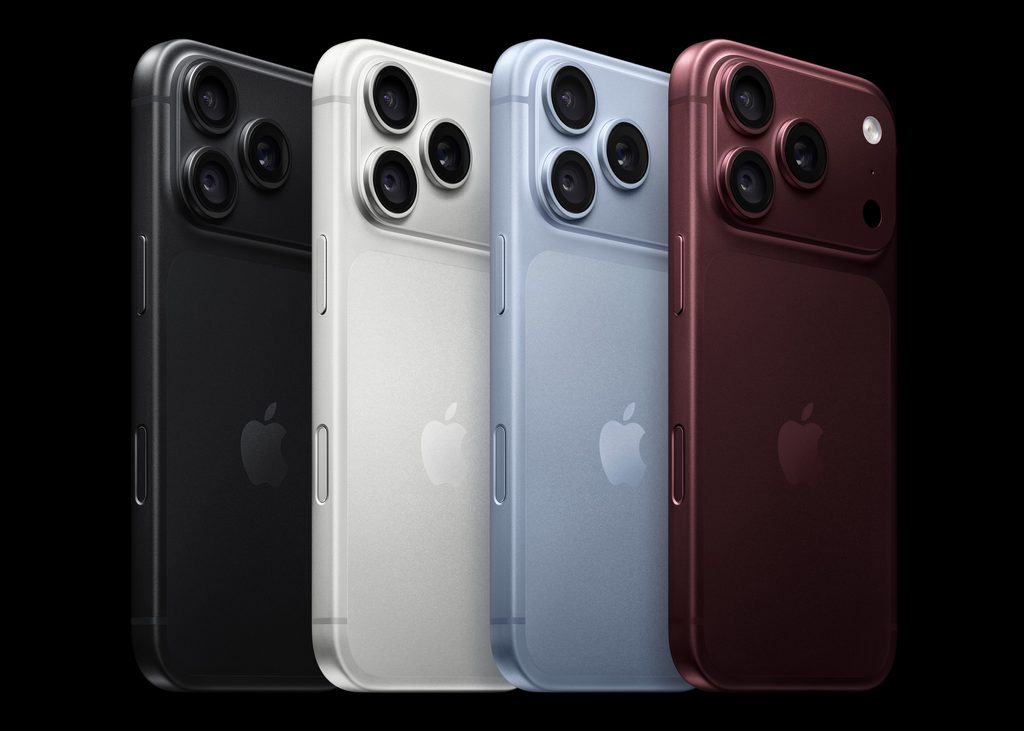
The iPhone 18 Pro series is also powered by A20 Pro but maintains Apple’s traditional smartphone form factor.
Its biggest camera upgrade is a new 48MP Fusion Main camera with variable aperture. Users can manually choose between four aperture settings, giving photographers greater control over light and depth of field.
Apple has also redesigned the thermal system around a next generation vapor chamber and reduced the size of the Dynamic Island.
The iPhone 18 Pro starts at $1,199, while the Pro Max starts at $1,299. Both arrive September 18.
Apple Watch Series 12
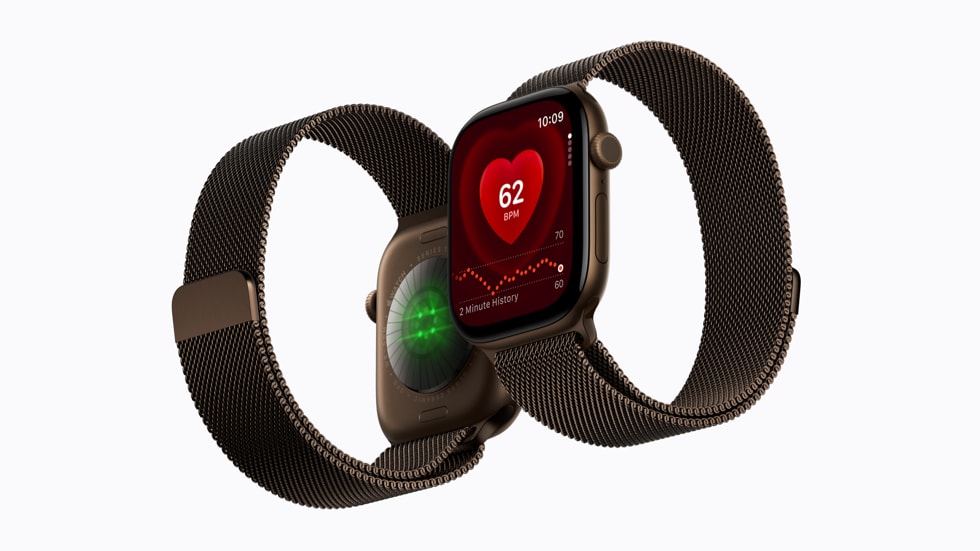
Health is at the centre of Apple Watch Series 12.
Apple has introduced a new Health Sensing System alongside its S11 chip, providing higher frequency heart rate and heart rate variability measurements.
The additional data powers a new Readiness feature, which generates a score based on recent activity, training load, vital signs and sleep to help users understand their capacity for exercise and other activities.
Series 12 also introduces Audio Intelligence features, including Sound Recognition, Live Rewind and Siri Recap. Live Rewind can show a text representation of the previous 15 seconds of a conversation, while Siri Recap generates summaries of conversations for later reference.
Apple says these features do not create or store audio recordings. Audio processing is isolated within a Secure Exclave on the S11 chip, with the raw audio deleted after processing.
Battery life remains up to 24 hours for everyday use, although outdoor workout battery life increases to 10 hours. A 15 minute charge can provide up to another 12 hours of battery life.
Series 12 comes in 42mm and 46mm sizes and introduces aluminium, titanium and ceramic variants. Prices start at $399, with availability beginning September 18.
Apple Watch Ultra 4
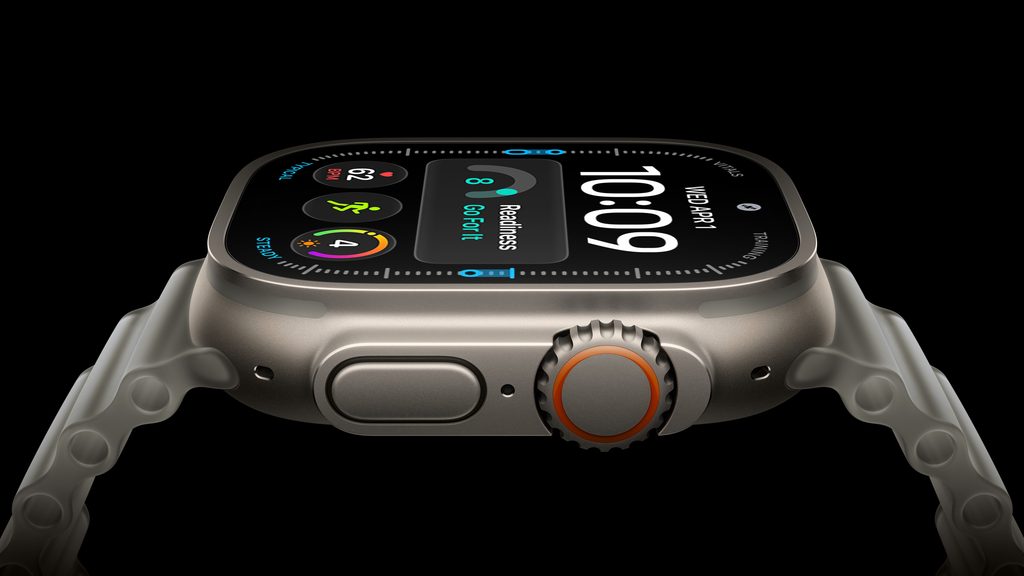
Apple Watch Ultra 4 brings the same Health Sensing System and S11 processor to Apple’s rugged smartwatch.
Apple says the watch can measure heart rate every five seconds throughout the day, while HRV can now be measured up to 24 times more frequently. It also receives the new Readiness score.
Battery life increases to as much as 50 hours during normal use and 84 hours in Low Power Mode. A new Max Extended Workout mode can record outdoor workouts for up to 45 hours while continuing to take GPS readings every second.
Charging for 15 minutes can provide up to 18 additional hours of battery life.
The Ultra 4 comes in natural and black titanium and retains satellite communications for situations where cellular and Wi Fi networks are unavailable.
Apple Watch Ultra 4 starts at $799 and will be available from September 18.
AirPods 5
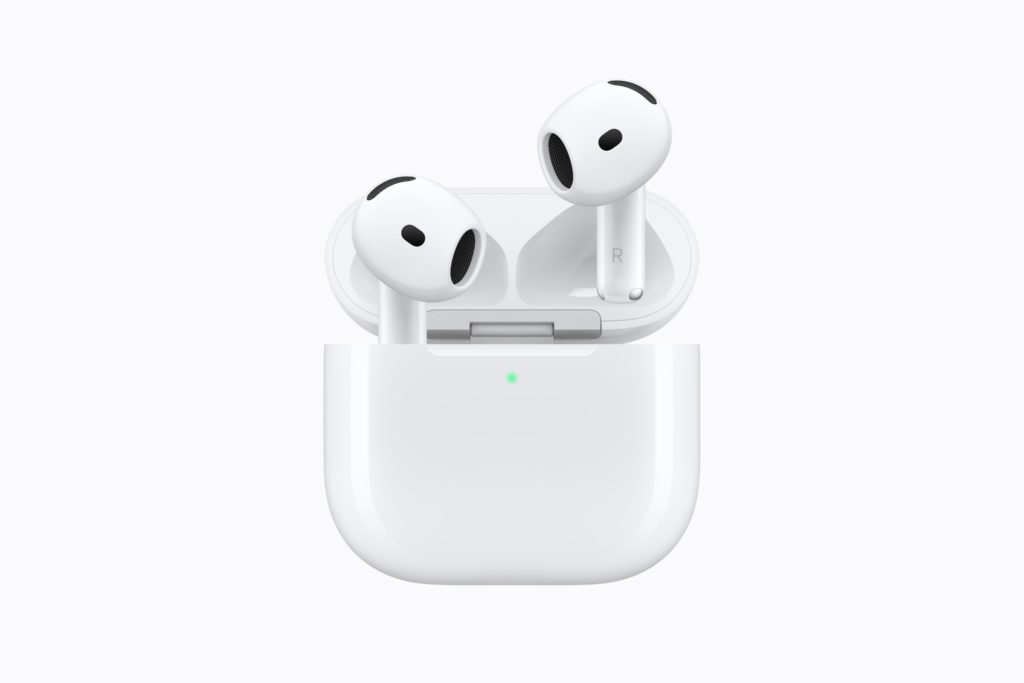
Apple also introduced AirPods 5, bringing Active Noise Cancellation to its most affordable AirPods.
The earbuds retain an open ear design but use a new multiport acoustic architecture and next generation Adaptive EQ. Apple claims the new ANC removes up to 50 percent more external noise than AirPods 4 with Active Noise Cancellation.
AirPods 5 also work with Siri AI, allowing users to access Apple’s new assistant hands free, and support Live Translation for conversations across supported languages.
Apple is offering two versions.
The standard AirPods 5 cost $129, while the $149 AirPods 5 with Wireless Charging Case add stem based volume controls, longer battery life and wireless charging.
The higher end version provides up to five hours of listening with ANC enabled and up to 22 hours with the charging case. Its case supports USB C, Qi chargers and Apple Watch chargers.
Both AirPods 5 models are available for preorder immediately and reach stores on September 18.
Apple is putting AI deeper into its hardware
One theme connects almost everything Apple announced this year: Apple Intelligence is moving beyond software features and becoming more tightly integrated with Apple’s hardware.
Siri AI arrives across the new iPhones and Apple Watches, while Apple is using AI to interpret health data, provide contextual information, assist with photography and enable hands free interactions through AirPods.
The redesigned Health app is another significant part of that strategy. Apple says it will use Apple Intelligence to analyse health information and surface insights, with a new Longevity section including Health Age, which compares selected health metrics with a user’s actual age.
The September launch therefore goes beyond annual specification upgrades. The iPhone Duo gives Apple an entirely new smartphone form factor, while A20 Pro, S11 and Apple’s growing use of on device intelligence indicate where the company sees the next phase of its hardware ecosystem heading.